Bitcoin Casino Guide 2026: How Canadian Players Can Safely Choose a Trusted Online Casino Bitcoin Platform

I've spent a good chunk of the last few years digging into crypto gambling platforms — three years, give or take, though some weeks it felt like thirty — and honestly, the space has changed in ways I didn't see coming. Back in 2022 or so, Bitcoin casinos felt like a niche curiosity, something only the terminally online crypto crowd bothered with. Now, in 2026, they're mainstream enough that plenty of Canadian players ask me how to tell the legit operators from the sketchy ones. So this guide is my attempt to walk through exactly that. Step by step. No fluff, no filler.
What Is a Bitcoin Casino, and How Does It Work?
At its core, a Bitcoin casino is an online gambling platform that takes cryptocurrency — usually Bitcoin, though plenty now support Ethereum, Litecoin, and stablecoins too — for deposits and withdrawals. Instead of linking your bank account or credit card, you connect a crypto wallet, send funds to the casino's designated address, and let the blockchain do the rest. Transactions get recorded on a public ledger, which adds a layer of transparency traditional payment rails just don't offer. Simple enough, in theory.
There are two broad categories here. Crypto-only casinos operate exclusively with digital currencies, which tends to appeal to privacy-focused players who want nothing to do with fiat banking. Hybrid platforms, on the other hand, accept both Bitcoin and conventional payment methods — giving Canadian players the flexibility to switch between the two depending on their comfort level. Nothing revolutionary, just practical.
Bitcoin vs. Traditional Online Casino Payments
If you've ever used Interac e-Transfer or a credit card to fund an online casino account, you already know the drill: anywhere from a few minutes to a few business days, especially on withdrawals. Bitcoin transactions, by comparison, often clear within minutes to an hour — no time zones, no banking hours to work around, no waiting for Monday morning. Fees tend to be lower too. No currency conversion charges, no card processing fees quietly chewing into your winnings.
The trade-off? Bitcoin transactions are irreversible once confirmed, so there's basically zero room for error. And anonymity levels vary quite a bit depending on whether the platform requires identity verification — something I'll circle back to later.
Why Canadian Players Are Turning to Bitcoin Casinos in 2026
Honestly, the appeal makes sense once you break it down. Faster payouts mean you're not sitting around for days waiting to access your own money. Lower transaction fees mean more of it actually stays in your pocket. And for players who value discretion, Bitcoin offers a level of privacy that traditional banking just can't touch.
There's also the access factor, which I think gets overlooked constantly. Some international platforms — the ones with genuinely solid game libraries and odds — simply don't play nice with Canadian banking systems. But they almost always support crypto. Combine that with Canada's evolving, still somewhat ambiguous legal stance on online gambling and cryptocurrency, and you end up with a growing pool of players exploring this space who want clear, trustworthy guidance before they commit a single dollar.
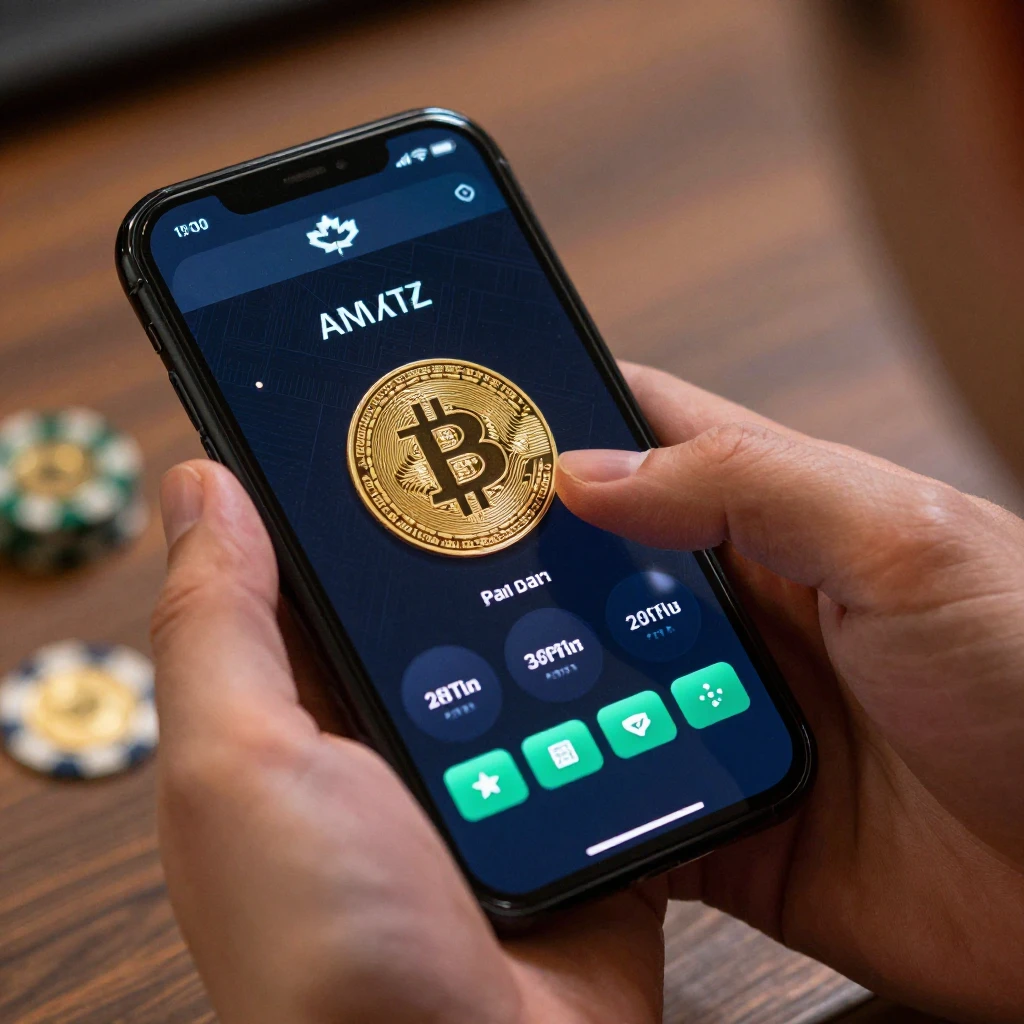
How to Identify a Safe and Trusted Bitcoin Casino
This is where most of my research time goes, and it's the part I think matters most. A trustworthy platform should hold a recognized license from a body like the Malta Gaming Authority, the Curacao eGaming Authority, or a similar regulator. Licensing isn't just a badge on some 'About Us' page — it means the casino agreed to specific operational standards and can actually be held accountable when things go sideways.
Beyond licensing, look for SSL encryption on every page handling transactions or personal data. Reputable Bitcoin casinos also run provably fair gaming systems, which let players independently check that outcomes haven't been fiddled with behind the scenes. And finally — read the terms and conditions. Properly. Not skimming. If withdrawal limits, bonus wagering requirements, or fee structures are buried or vague, that's worth flagging before you deposit anything.
Red Flags to Watch For
- No clear information about who owns or operates the platform
- Missing or unverifiable licensing details
- Customer support that's unreachable or unresponsive
- Bonus offers that seem too generous to be realistic, often with hidden wagering traps
- No published audit reports or payout percentage data
Verifying Platform Reputation
Before I deposit a single satoshi anywhere, I check player reviews across multiple sources. Not just testimonials on the casino's own site — those are obviously curated. Gambling forums, Reddit threads, and independent review aggregators tend to surface real complaints about withdrawal delays or account freezes way faster than any official channel ever will. Third-party audit reports from firms like eCOGRA add some real credibility when they're available, too.
Responsible Gambling and Player Protection Resources for Canadians
Here's something I want to stress, because it gets overlooked too often: choosing a trusted platform isn't only about security protocols and licensing paperwork. It's also about protecting your own wellbeing. Gambling — whether with Bitcoin or fiat — carries real risks, and it's worth understanding the warning signs of problem gambling before they snowball into something bigger.
Canadian players navigating any online casino bitcoin experience should know that national organizations exist specifically to provide guidance, education, and support around gambling behavior. These resources offer addiction awareness tools, prevention strategies, and confidential support for anyone who feels their gambling habits are becoming difficult to manage. I'd encourage every reader, no matter how experienced you are with crypto gambling, to bookmark at least one of these support resources before you start playing. Not after.
Common Mistakes Canadian Players Make When Choosing a Bitcoin Casino
I've watched friends and readers make the same errors over and over, so let's just address them head-on. The biggest one: ignoring withdrawal limits until it's time to actually cash out, then discovering they can only pull a small fraction of their winnings per week. Another common mistake is skipping over KYC (Know Your Customer) requirements entirely — assuming crypto means total anonymity — and then getting blindsided when a platform suddenly requests identity documents before processing a large withdrawal.
Chasing losses is another trap, and a sneaky one, especially given how fast Bitcoin moves. It's easier to deposit 'just a little more' when funds clear instantly instead of sitting in some pending queue for three days. And of course, falling for bonus offers that promise outsized returns without reading the wagering requirements is a mistake I see constantly — practically every week, if I'm being honest. Lastly, far too many players deposit funds before researching a platform's regulatory standing, which leaves them with basically zero recourse if something goes wrong.
Tips for a Safer Bitcoin Casino Experience in 2026
- Set deposit and loss limits before you start playing, and actually stick to them
- Use a secure, reputable crypto wallet with strong encryption
- Enable two-factor authentication on both your wallet and casino account
- Start with small test transactions to confirm withdrawal speed and reliability
- Review the platform's withdrawal policies and fee structure before signing up
Frequently Asked Questions
Is Bitcoin gambling legal in Canada?
Online gambling regulations in Canada vary by province, and cryptocurrency gambling exists in a somewhat gray area for many offshore platforms. Always check your provincial regulations before playing.
Are winnings from Bitcoin casinos taxable?
In most cases, casual gambling winnings aren't taxed in Canada. But if gambling is considered a business activity, different rules may apply. Worth consulting a tax professional for your specific situation.
How do I know if a Bitcoin casino is licensed?
Legitimate platforms display licensing information in their footer or an 'About' page, typically from regulators like the Malta Gaming Authority or Curacao eGaming. You can usually verify license numbers directly through the regulator's own website.
What happens if I have a gambling problem?
Reach out to a national support organization right away. Confidential help, counseling, and prevention tools are available, and recognizing the problem early makes a real difference.
Conclusion
Navigating the world of Bitcoin casinos in 2026 doesn't have to feel overwhelming. Prioritize licensed, transparent platforms with verifiable track records, understand the genuine risks that come with crypto gambling, and lean on Canadian support resources whenever you need them. A little research upfront goes a long way toward keeping your experience both enjoyable and safe.